Facebook Research and Human Research Ethics

Facebook has again attracted attention for deceptive practices. In this case, Facebook conducted a research study to determine whether the emotional content of the newsfeed influenced the behavior of Facebook users. The content was purposefully manipulated (an experiment) rather than naturally occurring (a correlational study).

There seem two parts to this story. First, there is the behavior of Facebook. Second, there is the behavior of university faculty members who helped design the study and then reported the results without clearing the study with the University Human Subjects Review Committee.

I am in a better position to comment on university research expectations than business practices. This was essentially a social psychology experiment. Social psychologists frequently manipulate subject mood using methods involving deception. If you inform research subjects that they are involved in a study that will involve manipulation of their mood, the outcome of the research is suspect. Deception can be employed. HOWEVER, a review committee evaluates the methodology to consider the potential impact of the manipulation and the potential benefit of the research, participants know they are participating in a research study, and after completing the study students are debriefed to help them understand the nature of the research and to suggest possible assistance participants might seek should they have negative consequences as a result of the research. While deception can be involved, participants are informed they can withdraw from research without malice. Deception during an experiment should not continue once the participants has completed the study.

Psychologists are familiarized with ethical research practices. Even students in introductory psychology courses, perhaps because they frequently serve as research participants, would be introduced to the guidelines I have described here. In my opinion, the researchers have violated ethical guidelines.

I follow this analysis with several references offering different opinions. I do not buy the argument that researchers were operating independently of their institutions and hence not bound by Human Subjects requirements. The academics list their university affiliation in the publication that results from the study.

 danah boyd analysis

VentureBeat

“Because the research was conducted independently by Facebook and Professor Hancock had access only to results— and not to any data at any time—Cornell University’s Institutional Review Board concluded that he was not directly engaged in human research and that no review by the Cornell Human Research Protection Program was required,” the statement said.

BBC

Loading

Educational mifi

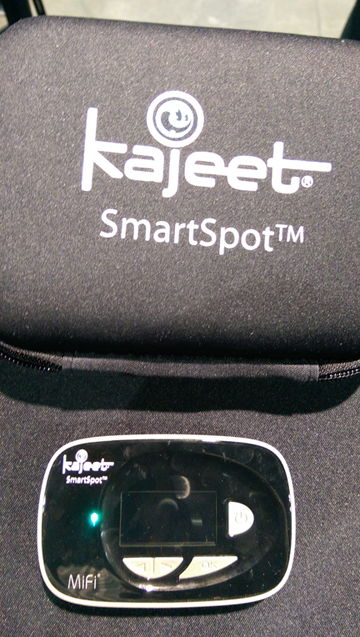
Kajeet offers online educational access. One of their products is a specialized mifi (mobile hotspot) that routes requests through a filtering service. In addition, an agreement with Sprint includes a reasonably priced data plan. The device seems a great product when paired with devices sent home with low income children.

I asked the vender whether their mifi qualified under e-rate. He said no, but that many schools use Title I money for purchases. The problem I see with many 1:1 initiatives is that low income students may lack high speed access when at home. Devices of this type may offer an option so that all students can continue their learning from any location.

kajeet

Loading

iTunes U and Course Management

Apple has announced that enhancements to iTunes U allow an instructor considerable flexibility in shaping content for his/her class.

The new in-app updates to iTunes U give teachers full course creation capabilities on iPad, with the ability to directly add rich content and learning materials from iWork®, iBooks® Author or any of the over 75,000 educational apps available for iPad.

My opinion is that Apple will continue to trail companies such as Amazon and Google in providing content to the broad education market until Apple is willing to offer content cross platform. The iPad is very popular, but cross-platform is the reality in schools using a BYOD, android, or Windows platform. For whatever educators want, this seems an industry struggle based on whether companies benefit most from software or hardware adoption.

Loading

The Outside Aisle

Today was spent in the exhibits hall. My feet are in bad shape, but there should be no problem meeting my 10,000 step goal for the day. 

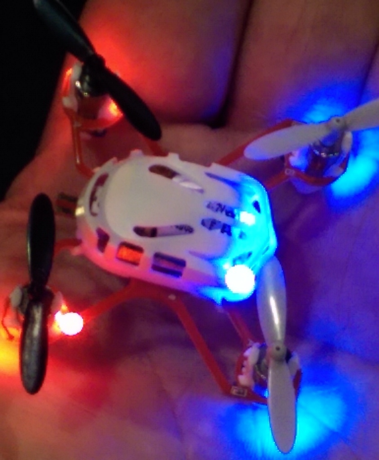
I have a tradition associated with the ISTE exhibits hall. I select one of the smaller booths for recognition based on what amounts to the criteria of the moment. This year’s recognition goes to Hoverlabs. The company sells kits for assembling hovercraft and fits with the STEM and maker movements. The company offers several kits, but the one below caught my attention. You can estimate the size by understanding it is sitting on my hand. I tried to get a shot in the air, but focus was difficult with my phone so I settled for the still shot.

Hoverlabs also caught my attention because I had just listened to a TWIT podcast Know How that includes a quadcopter project.

Loading

Marketing “research”

Research Supporting STEM Education

Discover cutting-edge research for science, technology, engineering, and mathematics (STEM) education. Whether you represent a business looking for market research to drive growth or an educator looking for solid research, we’ve compiled the best research in STEM education.

Research is a funny word. It obviously means different things to different people. Our interests likely guide our expectations. My interests lean more toward the demonstration of effective learning experiences and less toward what schools are buying. This bias aside, I do see some value in understanding the motives of schools and educators.

While the title of the report caught my attention, I am unwilling to spend $400 for the 75 page report. What bothers me most about the cost is a matter of contrast. Many complain about the costs of maintaining university library collections of scholarly journals. Note that all such journals are really there for public analysis assuming the public is willing to make the trip to the library. The cost of a marketing survey kind of puts things in perspective.

Loading

Disappearing blogs

The going to #ISTE2014 road trip has ended. There will be a return trip as well, but going home is less interesting.

My tech news of the day is the downsizing of the NY Times blog presence. Nearly half of existing blogs are to be cut or integrated.

This made me think about education blogs. To my knowledge there would be no way to get actual stats, but it does seem there is less activity. For example, consider what you have read recently from some you may have regarded as pioneers of educational blogs. Folks who will likely be in attendance at ISTE and who made their reputations by writing about the value of blogging either by blogging or even as book authors. I have these blogs in my RSS reader and they are mostly inactive.

What has happened? Is the format dead and folks have moved on to other formats? What formats? Have the original bloggers decided blogs are too much work or not lucrative enought now that they have an audience? Has the audience declined? Has 140 characters become the limit of our attentions spans?

Beats me.

Loading